
You ask two companies what AC duct cleaning costs for your apartment. One sends a price per vent within minutes, without a single question. The other asks for photos of the ceiling and the grilles and how many AC units you have, then sends a fixed price that is noticeably higher. Both call it duct cleaning. No honest figure exists without looking at your system, so this guide explains what decides the quote, what a serious quote contains, and which low prices are low because the job is smaller.
Why is there no fixed price for AC duct cleaning?
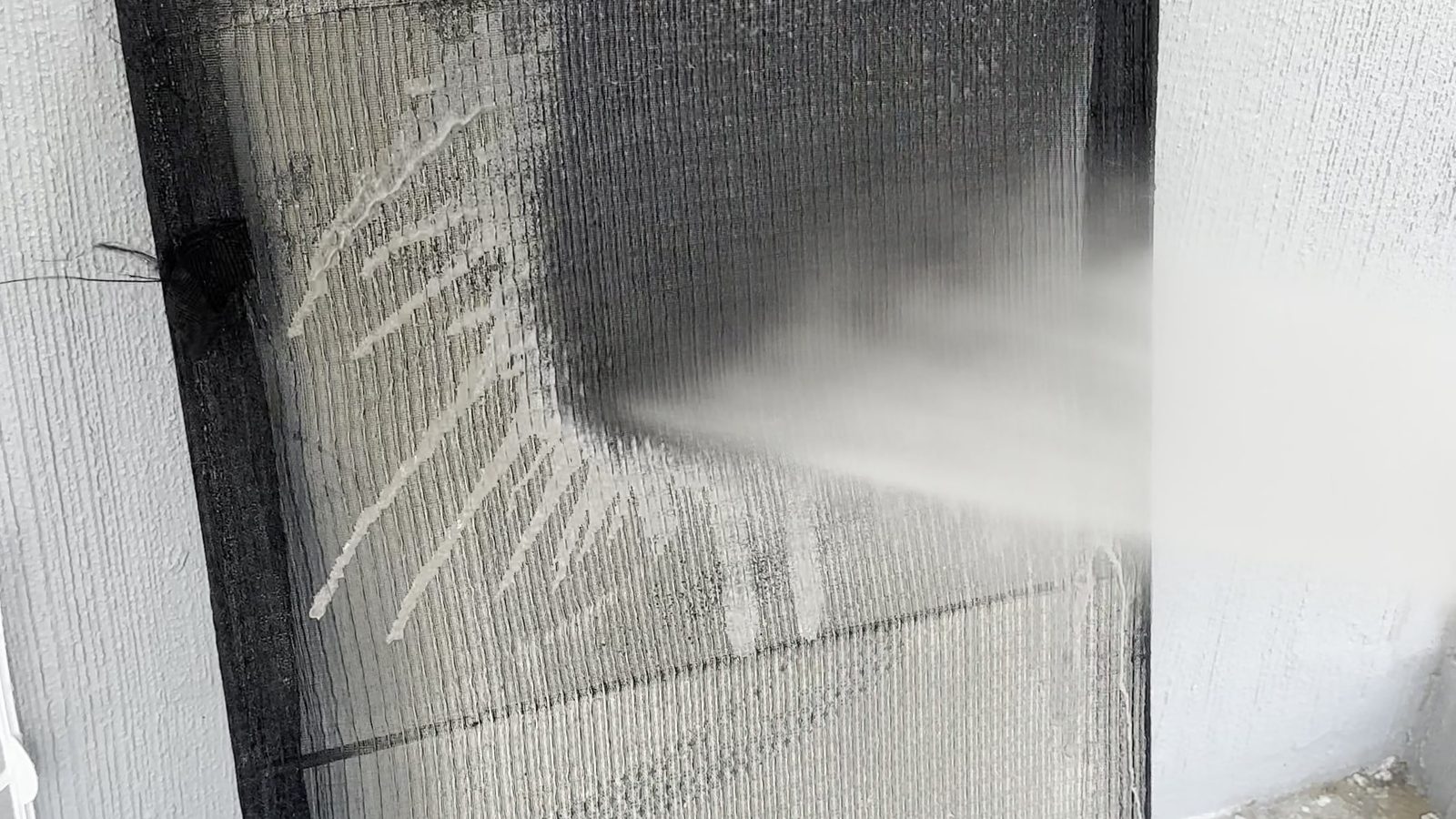
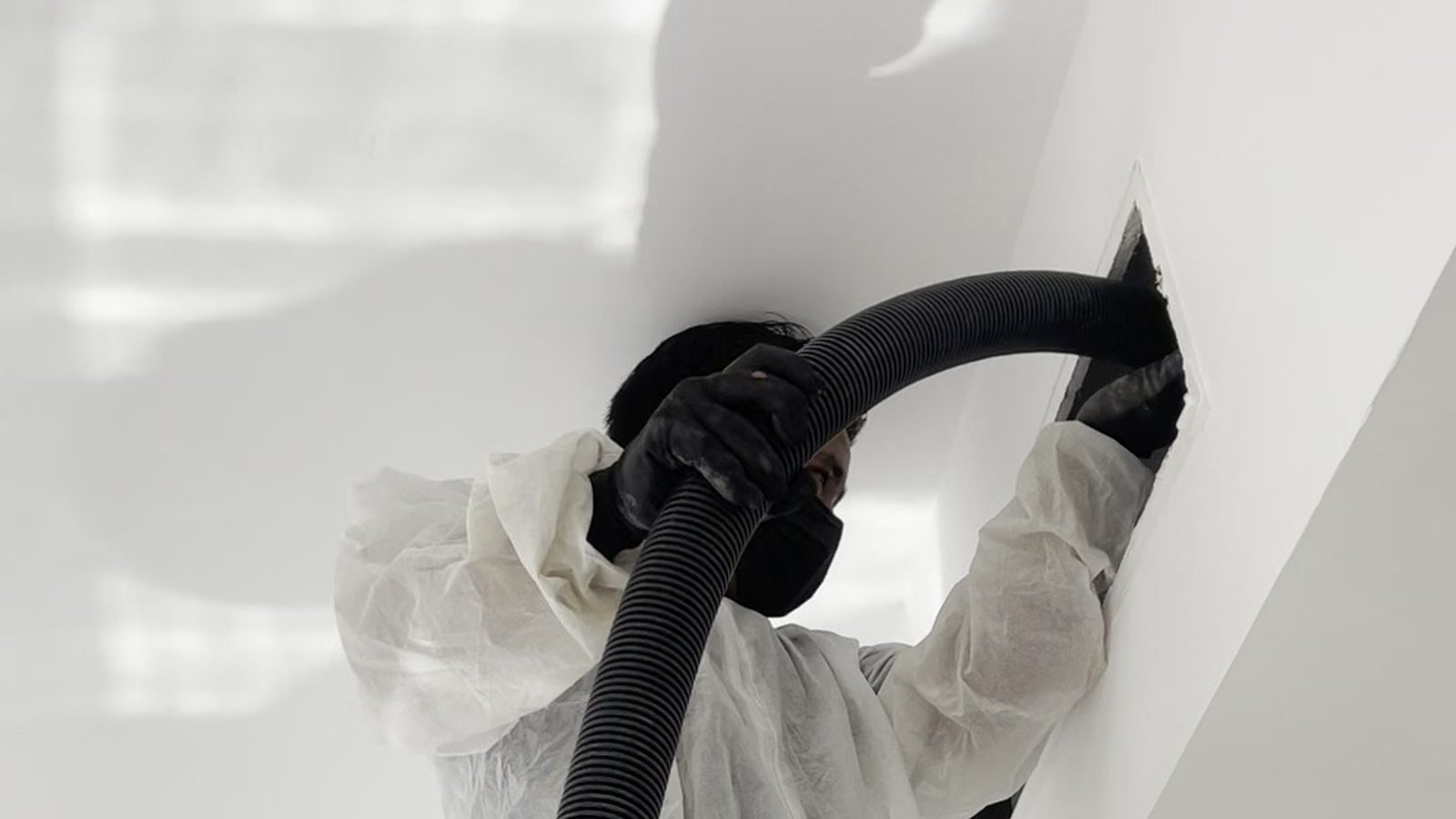
Because “AC duct cleaning” can describe two very different jobs. One is a vacuum held at each grille, done in a short visit. The other is the method in the industry standard: inspection, negative pressure, brushes and suction through the plenum and the duct runs, outlets removed and washed, and the unit cleaned on the same visit2. The first can be priced from a phone call. The second depends on what is above your ceiling.
The US Environmental Protection Agency advises that air ducts be cleaned “only as needed”, not routinely1. That alone means a fair price cannot be set before someone knows the condition of your ducts. A quote that arrives before any question has been asked is a price for a standard visit, not for your system.
Which factors decide an AC duct cleaning quote?
Ten factors explain almost every difference between quotes. Each one changes the hours, the tools or the number of people the job needs.
| Factor | What it changes | What helps the quote |
|---|---|---|
| 1. Type of system | What can be opened, what is excluded | Fan coil, ducted split, central unit or wall split |
| 2. Number of units | Plenums, coils and trays to clean | How many indoor units, and where they sit |
| 3. Number of outlets | Diffusers to remove, wash and refit | Supply grilles and return grilles per room |
| 4. Duct runs | Length, bends, branches | Villa or apartment, one floor or two |
| 5. Duct material and lining | Method and tools | Bare metal, flexible sections, internal insulation |
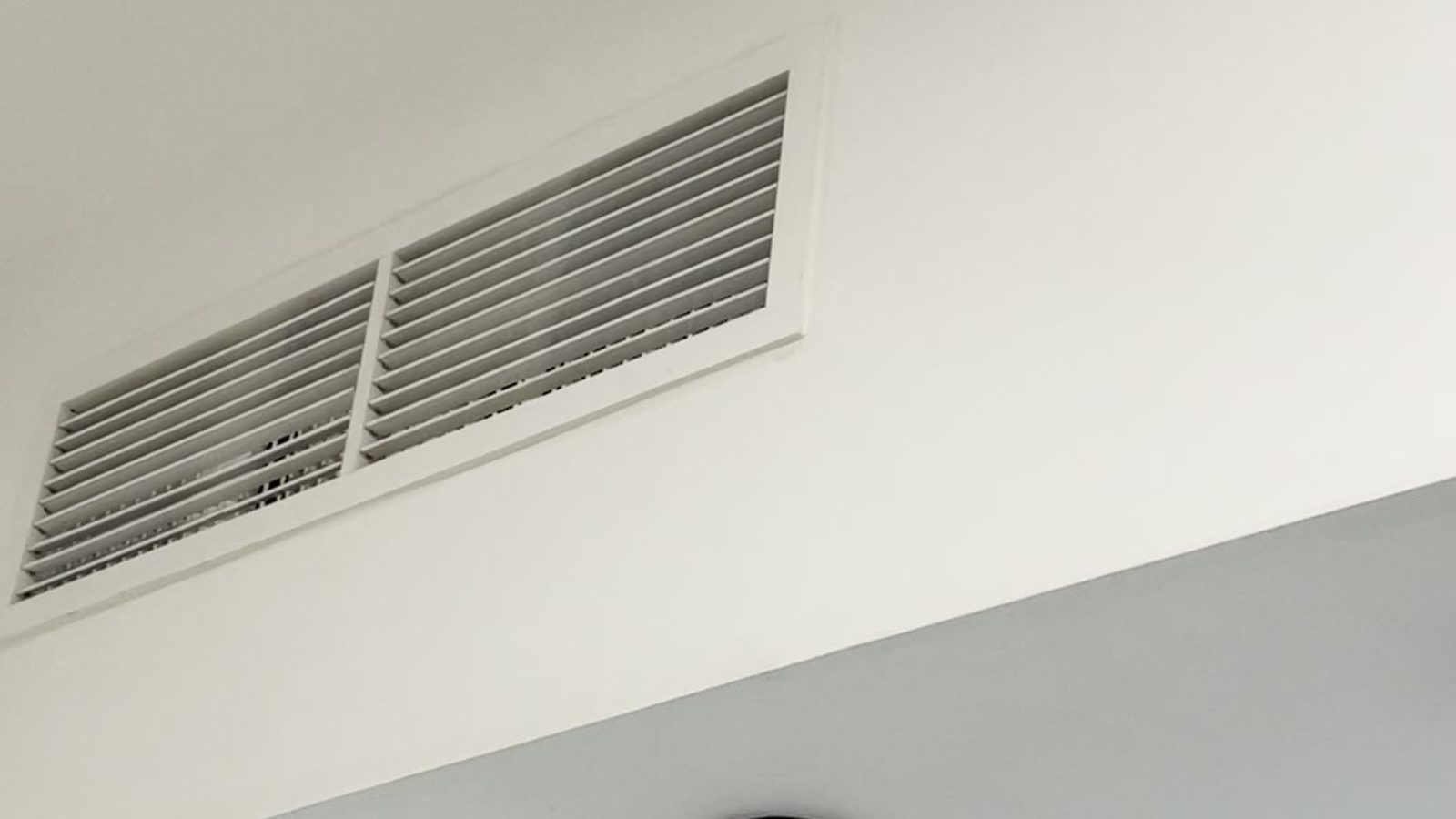
| 6. Access | Time to reach the system | Photo of the ceiling access panel, ceiling height |
| 7. Condition | Amount of work, what is still cleanable | Renovation, leaks, visible dust at the outlets |
| 8. Unit clean included | Coil, tray, drain, blower on the same visit | Ask for each part by name |
| 9. Building rules | Setup time, working window | Service lift, NOC, permitted hours, parking |
| 10. Proof of work | Documentation time | Photos before and after from the same spots |
1. The type of system
The method stays the same, the boundaries change. In many Dubai towers each apartment has a fan coil unit fed with chilled water by the building: the unit, tray, ducts and diffusers inside the apartment are cleaned, the pipes and valves stay untouched. Villas usually have ducted split units, all yours to open. In offices with central units, the building management decides what may be opened.
A wall mounted split unit has no ducts at all. A duct cleaning quote for one is a quote for nothing. If you are not sure what sits above your ceiling, our guide to fan coil units in Dubai apartments shows how to tell.
2 and 3. Units and outlets
Each indoor unit has its own plenum, coil, tray and drain. Each outlet is a diffuser or slot grille that has to be removed, washed, dried and refitted, with the neck behind it vacuumed. A small apartment with one fan coil and a handful of outlets is a different job from a villa with several ducted units and outlets in every room, even if both are called “duct cleaning”. Counting both, units and outlets, is the simplest way to make two quotes comparable.
4 and 5. Duct runs and lining
Longer runs, more branches and two floors mean more length to brush and vacuum, and more places where the brush has to go in. The lining matters as much as the length. Bare sheet metal can be brushed, vacuumed and wiped. Flexible sections need soft tools only, because stiff rotating heads can tear the inner liner. Ducts lined on the inside with fibreglass or foam can only be cleaned dry, because the NADCA standard rules out water and cleaning agents on porous material2. None of this is visible from the room, which is why a photo of the access panel helps more than the number of bedrooms.
6. Access
If the plenum can be reached through a ceiling access panel, the work starts quickly. If there is no panel, or it sits above a fitted wardrobe or a high stairwell, reaching the system takes longer and may need a taller ladder or a tower. Furniture under the panels has to be moved and floors protected. A company that asks where the access panels are is pricing your home. One that does not is pricing an average.
7. Condition
Condition is the factor that only an inspection can settle. The EPA names three situations where cleaning is reasonable: substantial visible mould growth inside hard surface ducts, vermin in the ducts, and ducts “clogged with excessive amounts of dust and debris”1. The NADCA standard adds particles blowing from the outlets, water or fire damage and construction debris2.
Renovation while the AC was running and leaks above the ceiling change the job most. Duct material that is soaked or torn is no longer a cleaning job: it needs replacing, and a fair quote says so rather than charging to clean it. Vermin need licensed pest control before any cleaning.
8. The unit clean
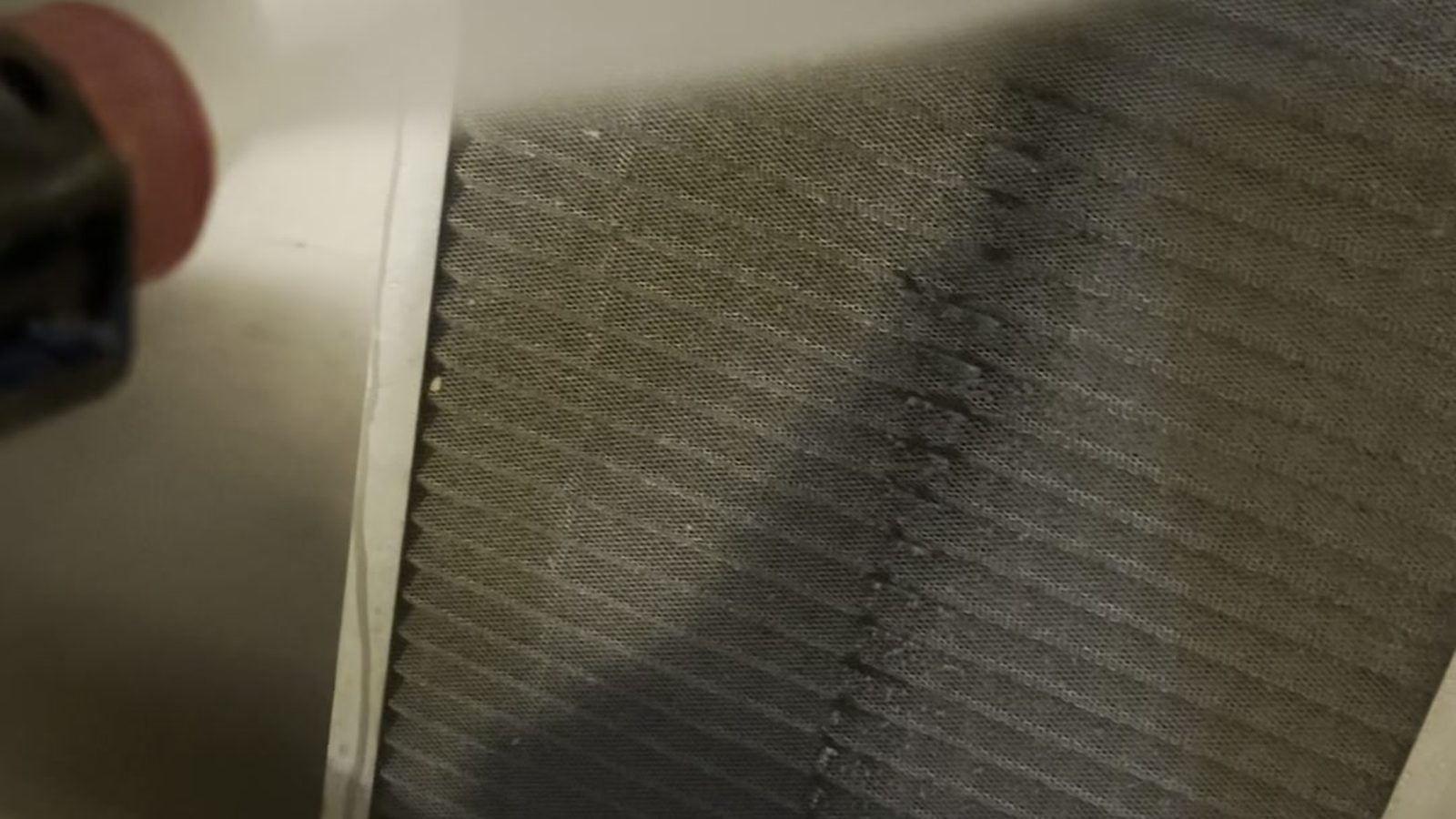
This is where cheap and serious quotes differ most. The NADCA method includes cleaning the coil and the condensate pan and checking the drain before and after cleaning2. The EPA asks duct cleaners to “clean cooling coils and drain pans” too1. A duct clean that leaves out the unit is cheaper, and it is also the reason dust and smells come back soon after. Our page on AC cleaning in Dubai explains what the unit clean covers.
9. Building rules
In a tower, the time before work starts can be significant. Many buildings require a service lift booking, a contractor pass or an NOC from the management, and some allow contractor work only at certain hours. Parking for a van with a suction unit is not always close. For offices, work outside opening hours can be arranged.
10. Proof of work
A duct is cleaned where you cannot see it. The NADCA standard defines a measurable limit, 0.75 mg of debris per 100 cm² after cleaning, tested with a laboratory weighing method2. We do not run that test in homes, because it needs a laboratory. The practical version is photos of the same spots before and after: the plenum, the first bend and the neck behind a diffuser. Taking and sending them takes time, and it belongs in the quote.
Why can a price per vent mislead?
Because it prices the part of the system you can see. Counting outlets is fair, they are real work. The problem starts when the outlet count is the whole quote, often a vacuum nozzle held into each grille without access to the plenum, negative pressure or the unit. Ask what happens between the outlets: plenum, main runs, return path and unit. If the answer is “nothing”, the low figure is the price of a smaller job.
Why should the quote come after photos or an inspection?
Because the inspection decides whether you need duct cleaning at all. The EPA’s starting point is that if nobody in the household has allergies or unexplained symptoms and none of the specific problems apply, “having your air ducts cleaned is probably unnecessary”1. Whether that is your case is covered in is AC duct cleaning worth it.
For pricing, the consequence is simple: if the plenum and the first metres of duct are clean on the photos, the right quote is for the unit only. That is how we handle it on our AC duct cleaning service in Dubai: if the ducts turn out to be clean, we tell you, and you pay only for the unit clean. A quote that charges for the ducts whatever the inspection shows was never based on the inspection.
What should a serious duct cleaning quote include?
A serious quote describes a result and a method, not just a number of vents. If any of these points is missing, ask before you book.
- The system named: fan coil, ducted split or central unit, with the number of units and outlets.
- The parts included, one by one: plenum, supply ducts, return path, diffusers, and the unit’s coil, tray, drain and blower.
- The method: access through panels, negative pressure, brushes and continuous suction, soft tools on flexible sections.
- What is excluded: chilled water valves and building risers, replacing ducts or insulation, pest control. Repairs and gas refills are a separate job, agreed with you first.
- How the result is shown: photos inside the duct before and after, from the same spots.
- A fixed price for everything on the agreed scope, with no extra charges on the day.
- What happens if something is missed: who you contact, and who comes back.
Which warning signs point to a bait price?
A bait price is a low figure that grows once someone is inside your home. No single sign proves it, but several together are worth a second quote.
| Sign in the offer | What it often means | What to ask |
|---|---|---|
| A price per vent, sent before any question | Grille vacuuming only, no plenum, no unit | Which parts between the outlets are included? |
| A “from” price | The smallest home in the best condition | What would my home cost with my unit and outlet count? |
| Fogging or a chemical spray as the main step | No brushing, nothing mechanical removes the dust | Where do you brush, and where is the suction? |
| A spray treatment added after “finding mould” | An upsell on the day | Can you show me a photo first and put it in writing? |
| No photos offered | No proof the duct itself was reached | Will you send photos inside the duct before and after? |
| “Dubai requires this every three months” | A misread inspection interval | Which document and section is that from? |
The spray row deserves a sentence of its own. The EPA notes that “no chemical biocides are currently registered by EPA for use in internally-insulated air duct systems”1. A spray can follow mechanical cleaning. It cannot replace it, and it should never be the reason the bill doubles on the day.
How do the official intervals affect what you spend over time?
They tell you which part to budget for on a schedule and which only on evidence. Dubai Municipality’s indoor air guideline asks for trays to be cleaned at least monthly, coils and condensate pipes at least every six months, and an inspection at least every three months, and it asks for maintenance records to be kept3. It gives no cleaning interval for ducts. NADCA lists inspection intervals for homes: the unit every year, supply and return ducts every two years2.
For your budget that means: the unit on a regular rhythm, the ducts cleaned when the photos show a layer. A duct package sold every year by default costs more than the documents ask for. The full set of intervals is in how often AC ducts should be cleaned in Dubai.
What should you send to get an accurate fixed price?
The more of the ten factors a company can see, the fewer surprises on the day. Send this on WhatsApp:
- the type of home, villa, townhouse, apartment or office, and the area
- the number of AC units, and whether they are fan coil, ducted split or wall split
- the number of supply and return grilles per room, or a quick photo of each room’s ceiling
- a photo of one diffuser, the return grille and the ceiling access panel, if there is one
- whether there was renovation work or a leak since the last clean
- your building’s rules for contractors: service lift booking, NOC, permitted hours, parking
From that, we agree one fixed price before we start, with no extra charges on the day for anything on the agreed scope. If the inspection shows the ducts do not need cleaning, you hear that first.