
The AC in your apartment has no outdoor unit, the DEWA bill looks modest, and then a second bill arrives from Empower that is far higher than you expected, even in a month when you hardly cooled. Many residents assume the fan coil unit above the ceiling must be faulty or dirty. Sometimes it is. More often the explanation is in the structure of the bill itself. This guide goes through the charges Empower publishes, shows which single line your fan coil unit can influence, and is honest about how much cleaning can and cannot change. Charges and wording below are as published on Empower’s website when we checked on 18 October 2026.
What are the charges on an Empower bill?
There are two main charges, one that follows your use and one that does not, plus a few smaller items. Empower publishes them on its charges page1:
| Charge | How Empower describes it | Depends on your use? |
|---|---|---|
| Consumption charge | Billed on the cooling recorded by your unit’s meter, at AED 0.568 per refrigeration ton (RT) per hour, in arrears | Yes |
| Demand charge | AED 750 per RT of the unit’s AC load per year, billed monthly in advance by the number of days in the month | No |
| Fuel surcharge | DEWA’s tariff increase and fuel surcharge, passed on to customers as notified by DEWA | Follows DEWA |
| Meter maintenance | AED 50 per quarter, or AED 30 per month depending on location, for reading, testing and maintaining the meter | No |
| Connection charge | One time, at registration | No |
| VAT | 5 percent on each charge | Follows the charges |
Empower’s own example shows how large the fixed part is: a unit with a load of 6 RT has a yearly demand charge of AED 4,500, which for a 31 day month comes to AED 387.501. That amount is due whether the AC ran all month or not.
How many refrigeration tons your unit has is not something you choose. Empower states that the RT of a unit “is pre-determined by the Developer depending on your unit area and premise type”2. Empower also notes that its charges are linked to input costs and inflation and “are subject to revision”2, so check the charges page before comparing bills across years.
Which part of the bill can your fan coil unit change?
Only the consumption charge. The demand charge, the meter maintenance and the connection charge are fixed by your unit’s contracted load and location. No cleaning, thermostat setting or habit changes them.
This is the most useful thing to understand before you book anyone. If your bill feels high in a cool month, compare the demand charge with the consumption charge. If most of the amount is demand charge, the fan coil unit is not the reason, and neither cleaning nor repair will bring that line down.
Empower even states that during a voluntary temporary disconnection, “Demand Charges and Meter Maintenance Fee will be continued to be charged”1. Switching the cooling off for the summer while you travel reduces consumption, not the fixed part.
Does a dirty fan coil unit raise the consumption charge?
It can, but nobody publishes how much for district cooling, and anyone who promises you a fixed saving is guessing.
What the authorities say is general. DEWA states that “clogged or dirty AC filters can block the normal airflow and reduce the system’s efficiency significantly”, and recommends cleaning filters “at least once a month during summer”3. Empower’s own summer guidance for 2026 includes “regularly cleaning air filters” and “regular maintenance of air conditioning units to ensure optimal performance and efficient air distribution”4.
The best independent measurement we know of is older and from the US. Researchers at Lawrence Berkeley National Laboratory found that the typical loss of efficiency and capacity from dirty coils was under five percent, while noting that it is much greater for marginal systems or extreme conditions5. Dubai’s summer is an extreme condition, but the honest reading is still: a clean filter and coil help the unit work as designed, and they are not a bill cutting trick.
There is a second reason to keep the fan coil clean that has nothing to do with the bill. A clogged filter and a dirty coil reduce airflow, rooms take longer to cool, and water sits longer on the coil and in the tray. That is where musty smells start. Our guide on why the AC smells musty explains that part.
What actually lowers the consumption part?
The habits Empower and DEWA recommend, in this order of effect for most homes:
- Set the thermostat to 24 °C or higher. Empower names 24 °C as the level that balances comfort and efficiency4. DEWA states that each degree increase in set point “can save up to 5% on AC consumption”3.
- Keep doors and windows closed while cooling, and close curtains during the brightest hours4.
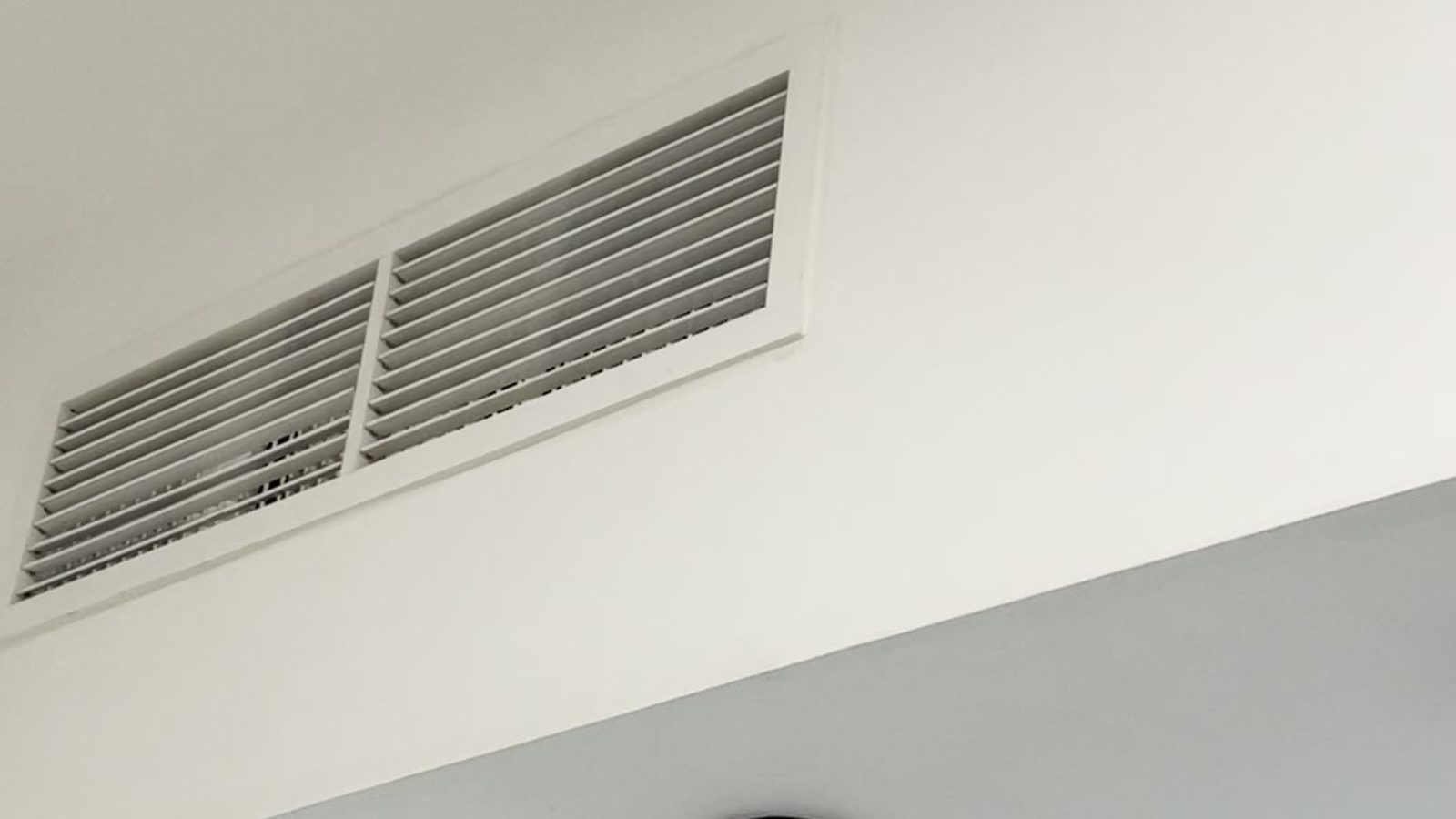
- Clean the filter at least monthly in summer3. In most fan coil units it sits behind the return grille and can be washed at home.
- Use fans to feel comfortable at a higher set point3.
- Turn the cooling off when it is not needed, for rooms nobody uses. Empower’s FAQ recommends this too2.
- Have the coil, tray and drain cleaned on a regular schedule. Dubai Municipality’s indoor air guideline advises coils at least every six months and trays at least every month, based on condition6.
The first two steps usually matter more for the consumption charge than any cleaning. The last step matters most for how the air in the apartment smells and how well the unit drains.
Who maintains the fan coil unit, Empower or the building?
Empower supplies chilled water; your building and your contract decide the rest. For problems with cooling services, Empower’s FAQ says: “please contact your building facility management”2.
| Part | Usually handled by | Why |
|---|---|---|
| Chilled water supply, meter, billing | Empower | Utility service and metering |
| Risers, valves, pipe insulation in the building | Building facility management | Part of the shared chilled water circuit |
| Thermostat settings and use | Occupant | Set point and fan mode drive consumption |
| Filter behind the return grille | Occupant, often | Within reach, needs monthly attention in summer |
| Coil, tray, drain, blower in your apartment | As the building rules or your contract say | Periodic maintenance, assigned differently in every building |
| Leaks, sweating pipes, wet ceiling boards | Landlord or building | Faults, not cleaning |
Our guide to fan coil units explains each part and the legal background in more detail, and the guide on who pays for AC cleaning covers the tenant and landlord question.
What should you check before you call anyone?
Read the bill first, then the unit. Most questions are settled by one of these:
- High bill in a cool month: compare the demand charge with the consumption charge. If demand dominates, it is the structure of the bill, not the unit.
- Consumption suddenly higher than in the same month last year: check the thermostat setting, doors and windows, and whether a room was cooled while empty. Then check the filter.
- Billing questions: Empower’s billing helpdesk, listed on its FAQ page2.
- Weak cooling, water dripping, noise: the building’s facility management, as Empower advises2.
- Musty smell, dust from the grilles, a filter you cannot reach: a cleaning job for the unit itself.
If you are moving out, Empower handles the end of your account through a final settlement in its eServices or app. Tenants upload the Ejari or tenancy contract, ID and bank details, plus an NOC from the owner when the tenancy ends early or expired more than 15 days earlier7. Our guide to Ejari cancellation and handover day puts that step in order with the others.
What does a fan coil clean include?
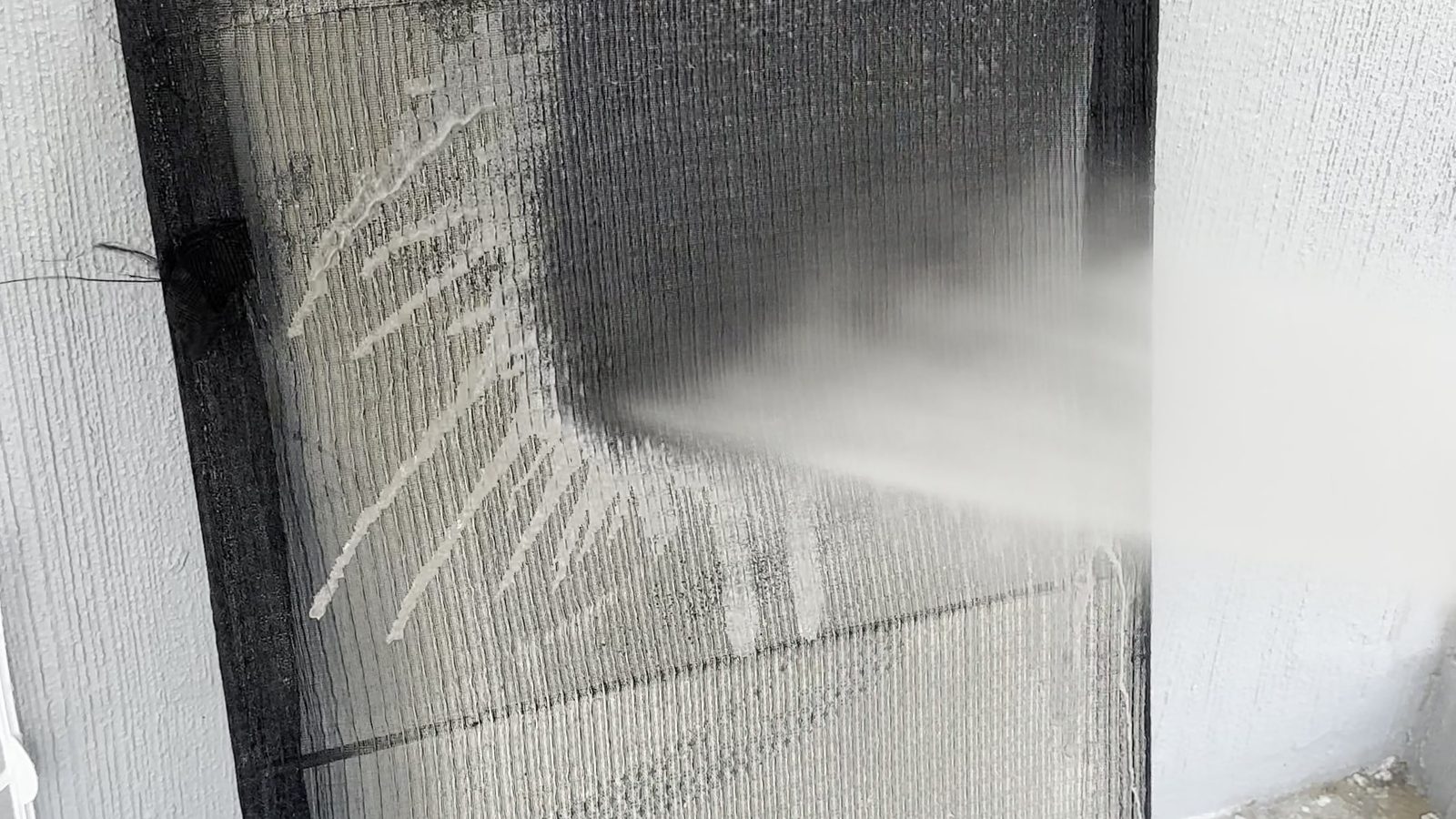
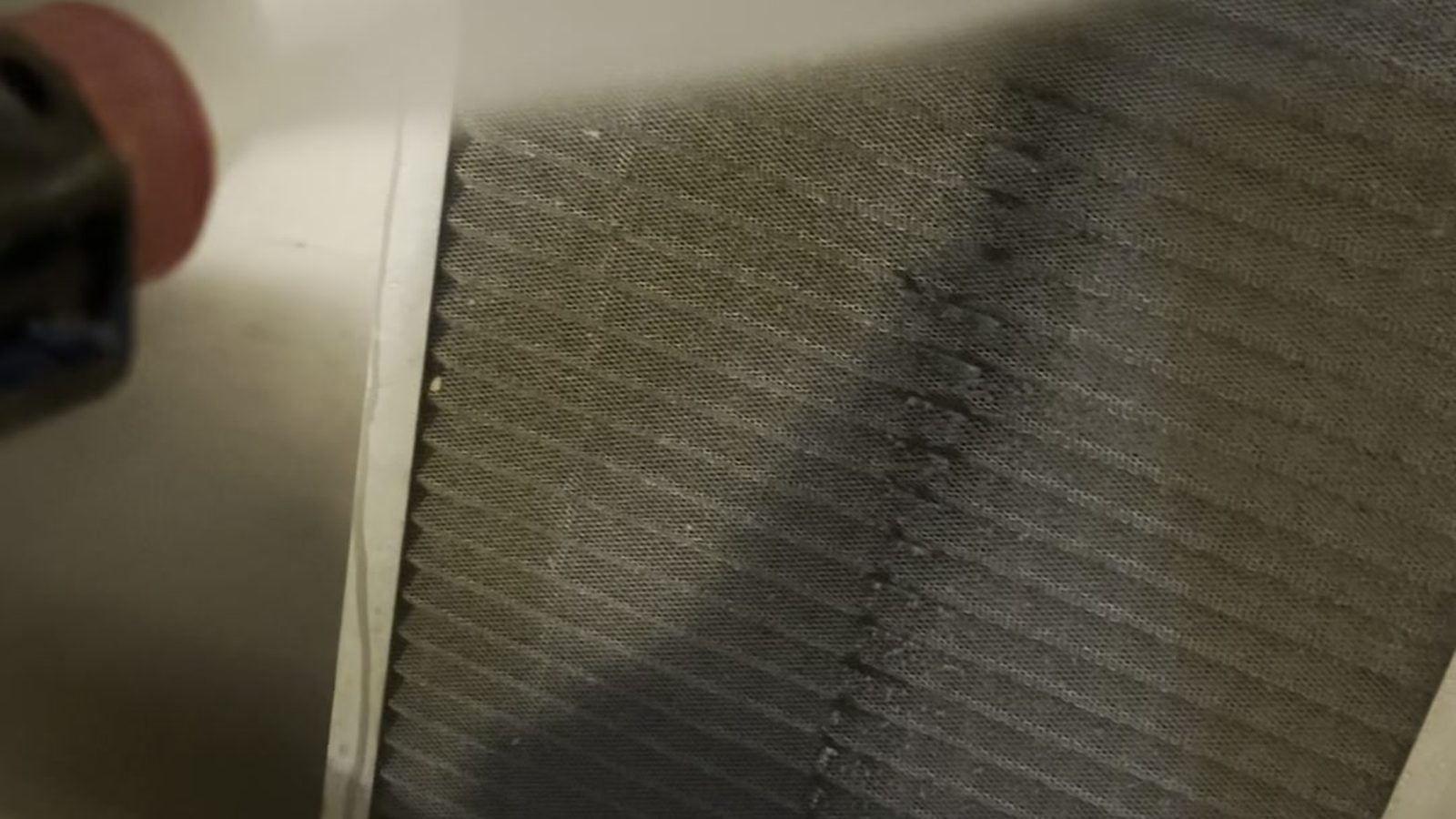
Everything behind the filter that holds dust and water. Our AC cleaning in Dubai is done by our own technician and covers the filter, the coil faces that can be reached, the tray, the drain with a test before and after, the blower and the grilles, with ducts only where an inspection shows a reason. Valves, pipe insulation and the chilled water side stay with the building. Repairs are a separate job, agreed with you first.
We cannot promise you a lower Empower bill, and we will not. What a clean does is let the unit move air and drain water the way it was designed to. If you want to know what that costs for your apartment, we agree one fixed price on WhatsApp before we start, with no extra charges on the day.